Choosing the Right Commercial Grinder: A Guide for Cafe Owners
Taste profiles from different flat burrs, gravimetric dosing, reliability, and speed. Liam, CPO at CCS, explains factors on choosing your coffee grinder workhorse for your commercial café.
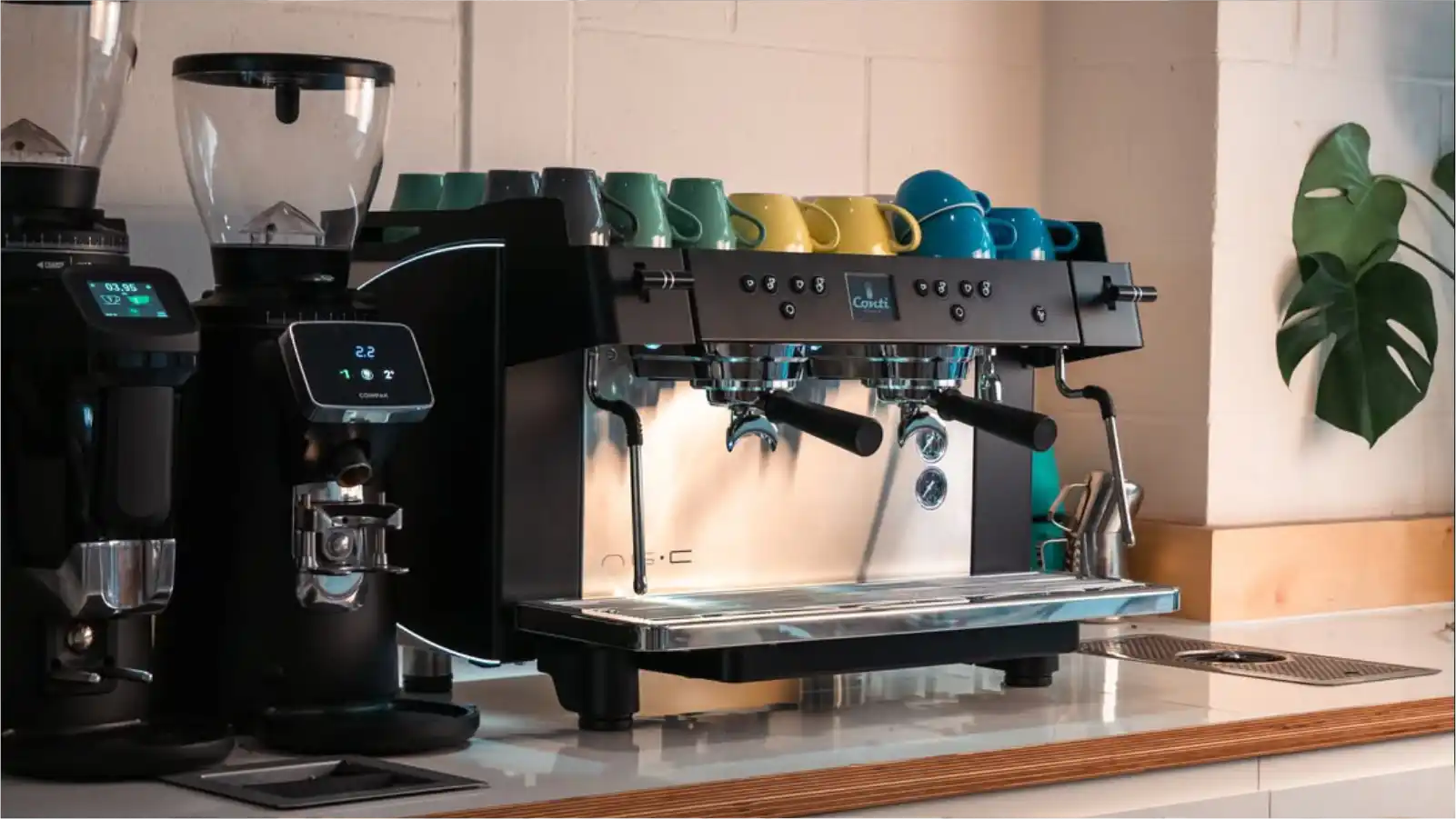
“Liam, I am spending $35,000 on a high-end espresso machine. Why do I need to spend another $6,000 on the grinder? It looks like a simple machine.”
I hear this often from new owners in Toronto and the GTA. The shiny espresso machine gets the attention, but the grinder is the workhorse. In fact, most coffee professionals will tell you: the grinder is more important than the machine. The machine provides the pressure and temperature, but the grinder determines the particle size distribution that defines the flavour, quality of extraction, and ultimately, how frustrated your baristas will get throughout the day.
However, cafes spend big money on commercial machines and grinders for one reason above all else: reliability and predictable results.
If you have a world-class machine but a wildly inconsistent grinder, you will serve bad coffee. If you have a mediocre machine but a world-class grinder, you can still serve something delicious.
Flat vs. Conical Burrs: The Geometry of Flavour
The first technical choice is the burr type. While one isn’t strictly “better,” they produce very different cup profiles and serve different needs.
1. Flat Burrs (The Gold Standard)
Flat burrs use centrifugal force to push beans through two parallel horizontal discs.
- The Science: They produce a unimodal distribution, meaning the coffee particles are extremely uniform in size. They “cut” the coffee beans cleanly.
- The Flavour: High clarity, distinct flavour separation, and sweetness.
- Best For: Most modern specialty cafes. Whether you are serving traditional chocolatey blends or fruity single origins, flat burrs give you control and clarity.
2. Conical Burrs (Rare in Modern Commercial Settings)
Conical burrs use a cone spinning inside a ring.
- The Science: They produce a bimodal distribution, a mix of larger particles and very fine dust (“fines”). They both “cut” and “crush” the beans.
- The Flavour: Heavy body, thick crema, and a punchy, blended flavour profile.
- Best For: While traditionally popular in Italy for dark roasts, conical burrs are almost non-existent in modern commercial settings. However, some newer grinders with massive conical burrs (like the La Marzocco Swan) are being produced. The fines they produce can be better suited for medium-dark and dark roasts where body is prioritized over clarity.
Burr Geometry and Materials
It’s not just about Flat vs. Conical. The shape of the burrs themselves has a profound effect on the taste.
- Traditional Geometry: Often seen in Italian grinders, these burrs have “pre-breakers” that introduce some fines, which helps stabilize flow for traditional medium-dark roasts.
- Uniform Geometry: Specialty cafes serving lighter roasts will benefit from more aggressive, uniform geometry that minimizes fines to avoid bitterness in delicate coffees.
- Materials & Coatings: Burr material affects longevity and heat management. Red Speed (Titanium) or SSP coated burrs reduce friction and can last 3-5x longer than standard steel, making them a smart investment for high-volume shops.
Dosing Technology: How the Coffee Gets to the Basket
When shopping for a grinder in Southern Ontario today, the biggest workflow decision is how the dose is measured.
1. Grind by Time (The “Traditional Way”)
You tell the grinder to run for 4.5 seconds.
- The Problem: If the hopper is full, the weight of the beans pushes coffee through faster. If the hopper is nearly empty, it grinds slower. Your “4.5 seconds” might give you 19 grams at 8 AM and 17 grams at 11 AM.
- The Cost: Baristas must stop to weigh the portafilter manually, adding seconds to every ticket.
2. Grind by Weight (GbW)
The grinder has a load cell built into the fork. You set “18.0 grams,” and it stops exactly when the portafilter hits that weight.
- The Benefit: Extreme consistency. Whether the hopper is full or empty, you get 18.0g.
- The Trade-off: It can add an extra second or two for the scale to tare and settle, but it eliminates the need for a separate scale on the counter.
3. Single Dosing
Beans are pre-weighed in small tubes and ground one dose at a time.
- Best For: Micro-roasters or brew bars that constantly change beans.
- The Workflow: Cumbersome and slow for a busy cafe. Not recommended for high-volume espresso service.
New Tech: Deionizers and Plasma Generators
Static is the enemy of fluffy espresso. Friction causes coffee grounds to cling to the chute or clump together.
- The Issue: Clumps cause “channeling,” where water finds the path of least resistance in the puck, leading to sour or bitter shots.
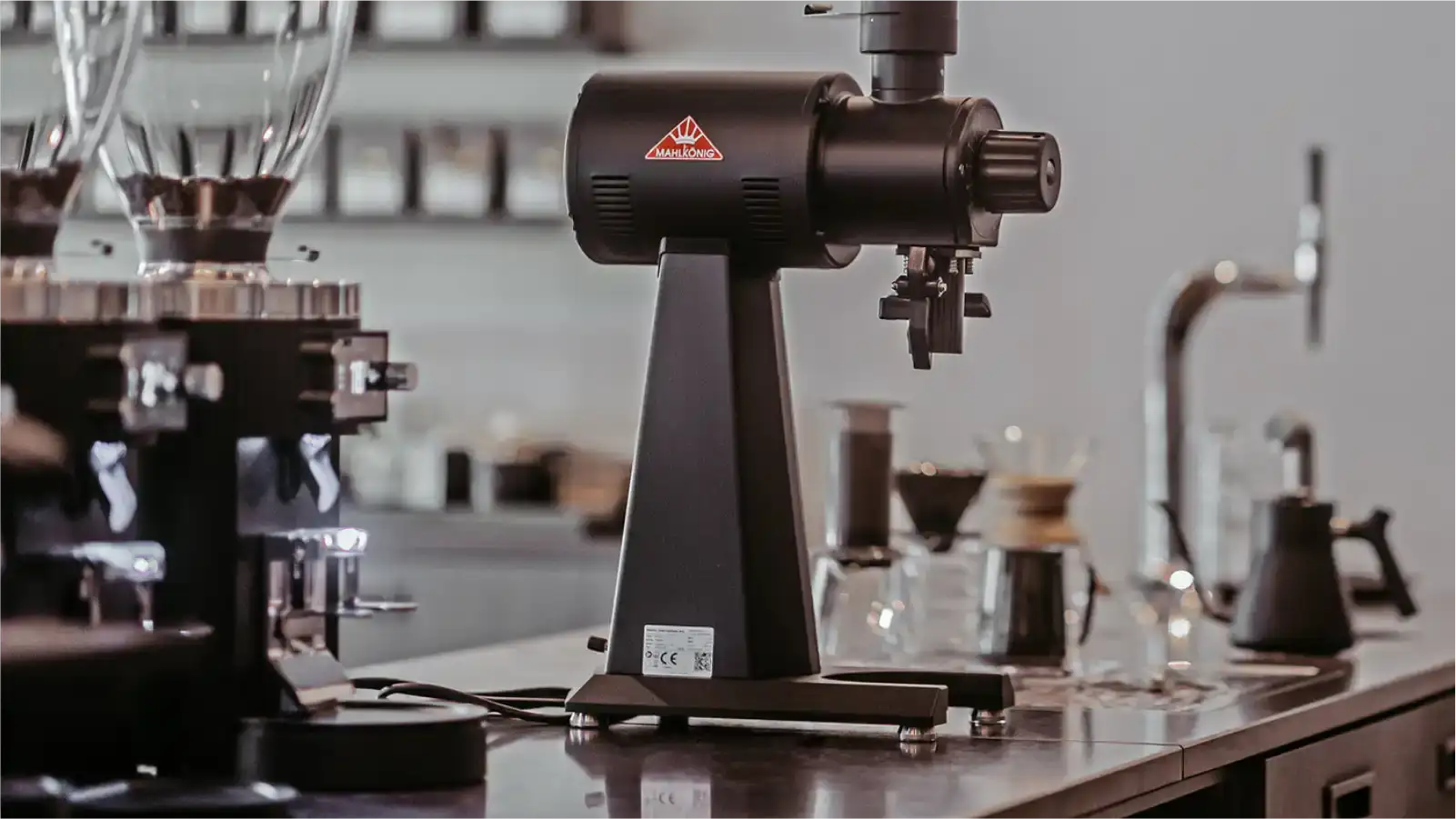
- The Fix: Modern grinders (like the Mahlkönig E65S) use Deionizers or Plasma Generators to neutralize the static charge. This ensures the coffee falls fluffily into the centre of the basket, requiring less distribution work from the barista.
Heat Management: The Invisible Enemy
Grinding coffee creates friction. Friction creates heat.
- The Problem: In a busy rush, small burrs spin faster and generate more heat. This heat changes the density of the coffee oils, causing shots to run faster unpredictably (thermal drift). It also causes clumping and even grinder clogs.
- The Solution:
- Larger Burrs: High-volume cafes should look for larger burrs (80mm+). They have more surface area and cut more beans per rotation, generating less heat per gram.
- Active Cooling: Fans or climate systems (like in the Mythos series) that actively manage the temperature.
- Mitigation: While expensive, this management prevents unpredictable extractions that lead to channeling and frustrated baristas.
The Future: “Grind-by-Sync”
The newest frontier in grinder technology is connectivity. Systems like Mahlkönig’s Grind-by-Sync allow the grinder to talk to the espresso machine (like a La Marzocco).
- How it Works: The machine tells the grinder the extraction time of the last shot. If the shot ran too fast (e.g., 20 seconds), the grinder automatically adjusts the burrs slightly finer for the next shot.
- The Benefit: It automatically compensates for daily variables like room humidity or bean freshness without the barista needing to stop and dial in.
Essential Accessory: The Under-Grinder Puck Press
Consistency isn’t just about the grind; it’s about the tamp.
- Automatic Tamping: Devices like the PUQpress sit directly under your grinder. Ideally, they are integrated (saving counter space).
- The Benefit: They tamp with a perfectly level, consistent pressure (e.g., 30lbs) every single time. For a high-volume cafe, this saves barista wrists and ensures that a tamp is never the reason for a bad shot.
Summary
Choosing a grinder is about balancing your budget with your volume and quality goals. But remember: a great grinder makes your barista’s life easier and your customer’s coffee better.
Not sure which workhorse is right for your bar? Contact our team for a business evaluation. We will analyze your projected volume, menu, and budget to pair you with the best grinder for your specific needs.
Technical Takeaway
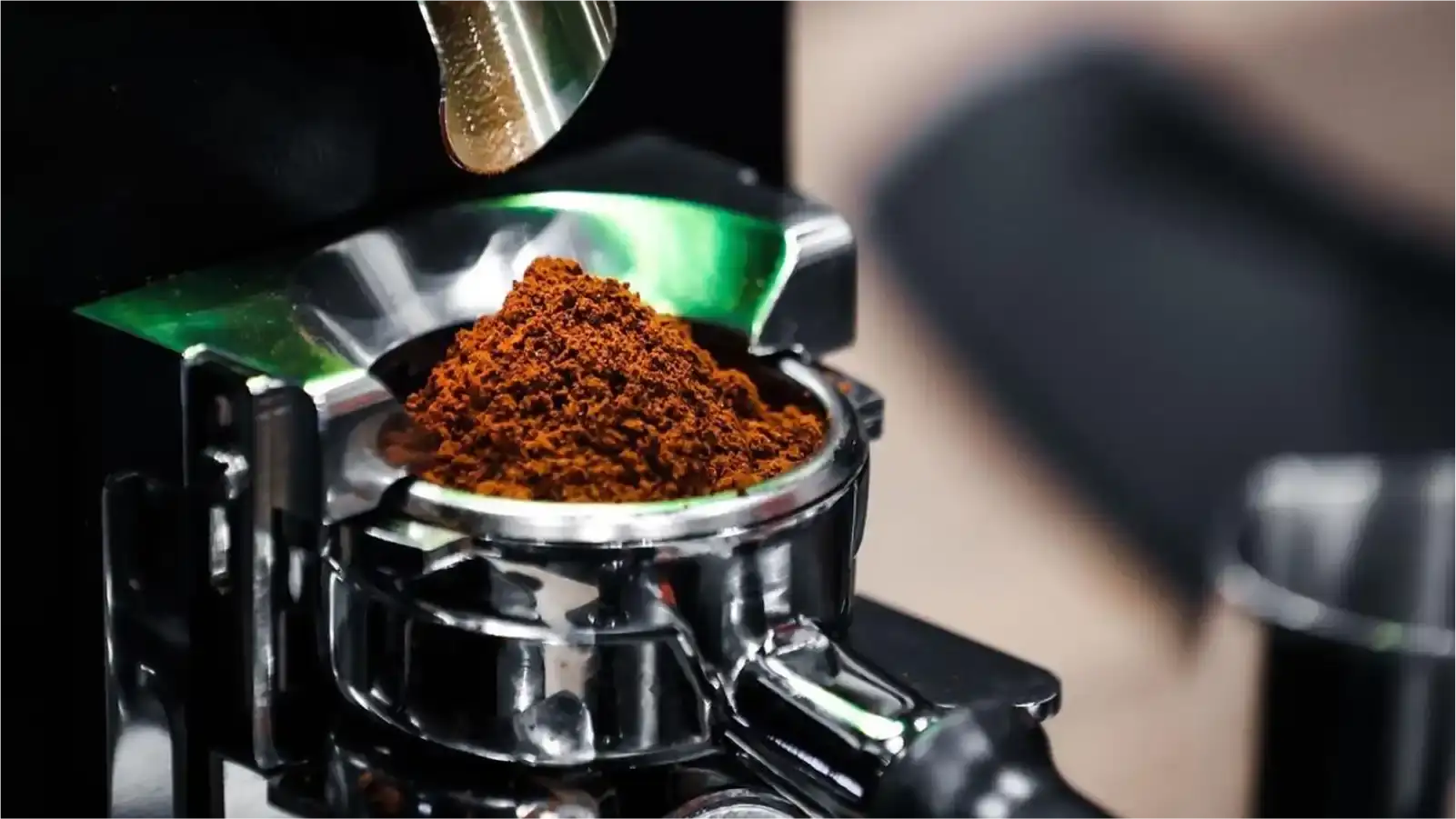
The grinder is the most critical technical tool in an espresso setup for achieving consistency. For most cafes in Toronto and the GTA, investing in 'Grind-by-Weight' (GbW) technology, like the Mahlkönig E65S GbW, and active thermal cooling prevents shot-time drift during peak hours. This technology significantly reduces coffee waste and training time, offering a measurable ROI within the first year of operation.
Explore Mahlkonig Equipment
See our full range of Mahlkonig machines and specifications.
Liam
Chief Product OfficerLiam leads product design and service-to-market alignment at Complete Coffee Solutions, scouting for customer needs and helping cafes and businesses make key strategic decisions. With over 12 years in the specialty coffee industry, he brings together digital design, marketing, and deep espresso expertise to keep our offerings tasty.